The Spectacular Solar Eclipse of 2025: A Celestial Event to Remember
Mark your calendars for one of the most awe-inspiring celestial events of the decade—the total solar eclipse of 2025. On August 12, 2025, the Moon will pass directly between the Earth and the Sun, casting a shadow over parts of the planet and offering a breathtaking display of nature’s grandeur. This rare phenomenon will be visible from specific regions, making it a must-see event for astronomy enthusiasts and casual observers alike.
What is a Total Solar Eclipse?
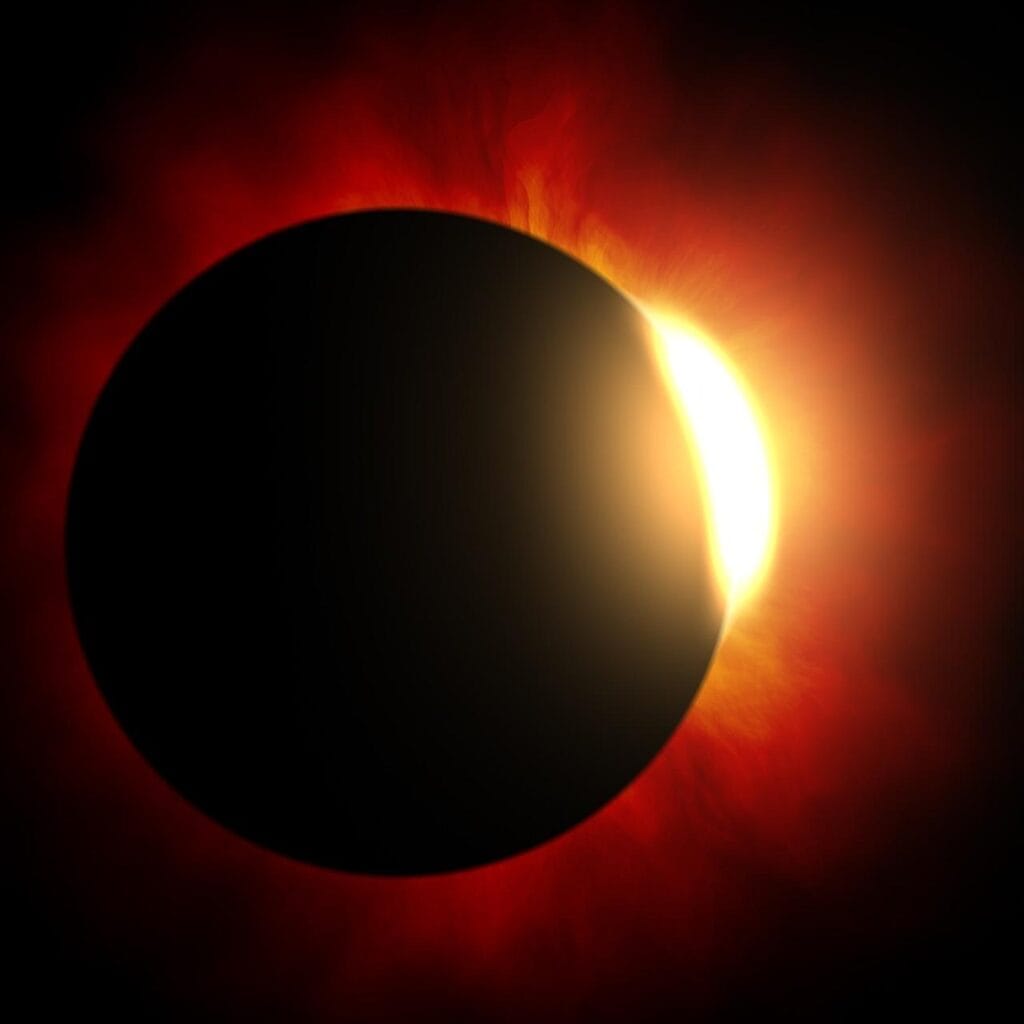
A total solar eclipse occurs when the Moon completely blocks the Sun, turning day into night for a few minutes. During this time, the Sun’s outer atmosphere, known as the corona, becomes visible, creating a mesmerizing halo of light around the darkened Moon. This is one of the most dramatic and beautiful events in nature, often described as a once-in-a-lifetime experience.
Date and Timing
The total solar eclipse of 2025 will occur on Tuesday, August 12, 2025. The eclipse will begin at approximately 15:42 UTC (Universal Coordinated Time) and last for a few hours, with the total eclipse phase (totality) lasting up to 6 minutes and 23 seconds in some locations. The exact timing and duration will vary depending on your viewing location.
Where to See the Eclipse
The path of totality—the narrow strip where the total eclipse will be visible—will traverse several regions across the globe. Here are the key locations where you can witness this celestial marvel:
- United States:
The eclipse will be visible in parts of California, Nevada, Utah, Colorado, Kansas, Oklahoma, Arkansas, Mississippi, Alabama, Georgia, and Florida. Cities like Sacramento, Reno, Salt Lake City, and Orlando will fall within the path of totality. - Mexico:
The eclipse will also be visible in northern Mexico, including areas like Tijuana and Mexicali. - Caribbean and South America:
The path of totality will extend into the Caribbean, passing over the Bahamas and Turks and Caicos Islands. It will also be visible in parts of Venezuela and Guyana in South America. - Atlantic Ocean:
The eclipse will conclude over the Atlantic Ocean, offering a stunning view for those aboard ships or aircraft in the region.

How to Safely View the Eclipse
Watching a solar eclipse is an unforgettable experience, but it’s crucial to protect your eyes. Here are some safety tips:
- Use Solar Viewing Glasses:
Regular sunglasses are not sufficient. Use ISO-certified solar viewing glasses to safely observe the eclipse. - Pinhole Projectors:
Create a simple pinhole projector to indirectly view the eclipse. This method projects the Sun’s image onto a surface, allowing you to watch the event safely. - Telescopes and Binoculars:
If using optical devices, ensure they are equipped with proper solar filters to prevent eye damage.

Why This Eclipse is Special
The 2025 total solar eclipse is particularly significant because:
- Long Duration of Totality:
With totality lasting over 6 minutes in some areas, this eclipse offers an extended opportunity to witness the Sun’s corona and experience the surreal darkness of a total eclipse. - Accessible Locations:
The path of totality passes through several major cities and tourist destinations, making it easier for people to travel and witness the event. - Rare Phenomenon:
Total solar eclipses are rare, occurring only once every 18 months on average, and visible from a limited geographic area. This makes the 2025 eclipse a unique opportunity.

Conclusion
The total solar eclipse of 2025 is a celestial event you won’t want to miss. Whether you’re an avid stargazer or simply curious about the wonders of the universe, this eclipse promises to be a breathtaking experience. Plan your trip to one of the prime viewing locations, gather your solar viewing gear, and get ready to witness one of nature’s most spectacular displays.
Mark your calendar for August 12, 2025, and prepare to be amazed by the magic of the cosmos! 🌒✨amazing