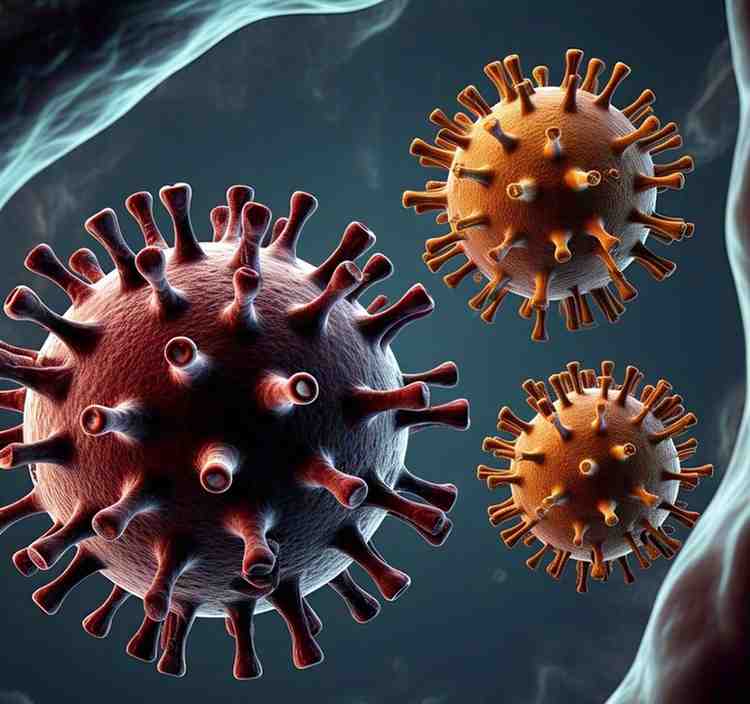
In recent years, the world has witnessed the devastating impact of coronaviruses, particularly with the emergence of SARS-CoV-2, the virus responsible for the COVID-19 pandemic. However, scientists have long warned that other coronaviruses in animal reservoirs could pose similar threats to human health. One such virus is HKU5-CoV-2, a novel coronavirus that has garnered attention due to its potential to cross species barriers and infect humans. This article delves into the origins, characteristics, and implications of HKU5-CoV-2, as well as the importance of proactive surveillance and research to mitigate future pandemics.
What is HKU5-CoV-2?
HKU5-CoV-2 is a betacoronavirus, a genus of viruses that includes well-known pathogens such as SARS-CoV, MERS-CoV, and SARS-CoV-2. It was first identified in bats, which are considered natural reservoirs for many coronaviruses. The virus is part of the Merbecovirus subgenus, which also includes MERS-CoV, the virus responsible for Middle East Respiratory Syndrome (MERS).
The name “HKU5” originates from its discovery by researchers at the University of Hong Kong (HKU), who have been at the forefront of coronavirus research for decades. The “-2” suffix indicates that it is a distinct strain or variant within the HKU5 lineage.
Origins and Zoonotic Potential
Like many coronaviruses, HKU5-CoV-2 likely originated in bats, where it circulates without causing severe disease. Bats are known to harbor a vast diversity of coronaviruses, and their unique immune systems allow them to coexist with these viruses. However, the real concern arises when these viruses spill over into other species, including humans.
The zoonotic potential of HKU5-CoV-2 lies in its ability to infect cells of other mammals. Studies have shown that the virus can bind to angiotensin-converting enzyme 2 (ACE2) receptors, the same entry point used by SARS-CoV-2. This raises the possibility that HKU5-CoV-2 could adapt to human hosts, especially if it acquires mutations that enhance its transmissibility or pathogenicity.
Why is HKU5-CoV-2 a Concern?
- Genetic Similarity to Known Pathogens: HKU5-CoV-2 shares genetic similarities with MERS-CoV, which has a high mortality rate (approximately 35%) in humans. While HKU5-CoV-2 has not yet caused a known outbreak in humans, its genetic makeup suggests it could pose a similar threat if it crosses the species barrier.
- Potential for Human Adaptation: The ability of HKU5-CoV-2 to bind to ACE2 receptors is a red flag. If the virus mutates to improve its binding affinity or gains the ability to spread efficiently between humans, it could trigger a new pandemic.
- Lack of Immunity: Unlike SARS-CoV-2, which has now infected billions of people worldwide, humans have no pre-existing immunity to HKU5-CoV-2. This means that if the virus were to jump to humans, it could spread rapidly before effective countermeasures are developed.
Lessons from COVID-19: The Need for Proactive Measures
The COVID-19 pandemic has underscored the importance of early detection and rapid response to emerging infectious diseases. In the case of HKU5-CoV-2, proactive measures are essential to prevent a similar crisis. These measures include:
- Enhanced Surveillance: Monitoring bat populations and other wildlife for novel coronaviruses can help identify potential threats before they spill over into humans. This requires global collaboration and investment in wildlife disease surveillance programs.
- Research and Development: Scientists must study HKU5-CoV-2 to understand its biology, transmission potential, and pathogenicity. This knowledge can inform the development of vaccines and antiviral therapies that could be rapidly deployed if needed.
- One Health Approach: The interconnectedness of human, animal, and environmental health means that addressing zoonotic threats requires a multidisciplinary approach. Efforts to reduce deforestation, regulate wildlife trade, and promote sustainable agriculture can minimize the risk of spillover events.
- Public Awareness: Educating the public about the risks of zoonotic diseases and the importance of preventive measures can foster a culture of preparedness and resilience.
Conclusion
HKU5-CoV-2 serves as a reminder that the threat of emerging infectious diseases is far from over. While the virus has not yet caused a human outbreak, its potential to cross species barriers and its genetic similarities to known pathogens make it a cause for concern. By learning from the lessons of COVID-19 and investing in proactive measures, we can reduce the risk of future pandemics and protect global health. The story of HKU5-CoV-2 is not just about a single virus; it is about the broader challenge of living in a world where zoonotic diseases are an ever-present threat. Vigilance, collaboration, and innovation will be key to staying one step ahead.