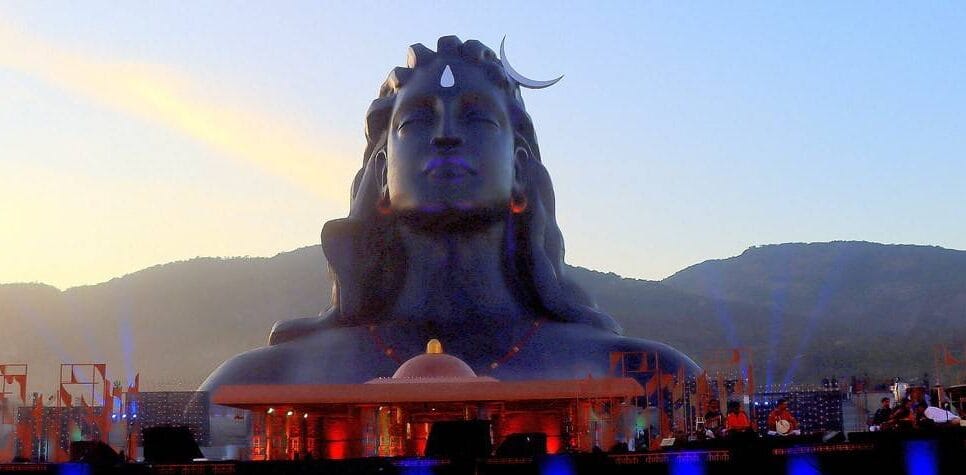
Shivaratri: The Night of Lord Shiva and the Essence of Adiyogi
Shivaratri, one of the most sacred festivals in Hinduism, is a night dedicated to the worship of Lord Shiva, the supreme deity of transformation, destruction, and regeneration. Celebrated annually on the 14th night of the dark fortnight in the Hindu month of Phalguna (February-March), Shivaratri holds profound spiritual significance. The term “Shivaratri” translates to “the Great Night of Shiva,” a time when the cosmic energies are believed to be at their peak, making it an ideal occasion for meditation, prayer, and spiritual awakening.
Timing
Wed, 26 Feb, 2025, 11:08 am – Thu, 27 Feb, 2025, 8:54 am IST
The Legend of Shivaratri
The origins of Shivaratri are deeply rooted in Hindu mythology. One of the most popular legends is the story of the Samudra Manthan (churning of the ocean), during which a pot of poison emerged, threatening to destroy the universe. To protect creation, Lord Shiva consumed the poison but held it in his throat, turning it blue and earning him the name Neelkanth. Shivaratri is said to commemorate this act of selflessness and divine grace.
Another significant legend is the marriage of Lord Shiva and Goddess Parvati, symbolizing the union of consciousness (Shiva) and energy (Shakti). Devotees observe fasts, perform rituals, and stay awake all night to honor Shiva’s benevolence and seek his blessings for spiritual growth and liberation.
Adiyogi: The Source of Yoga and Spiritual Wisdom
In recent years, the concept of Adiyogi has gained prominence, especially in the context of Shivaratri. Adiyogi refers to Shiva as the first yogi, the originator of yoga and spiritual sciences. According to ancient texts, over 15,000 years ago, Shiva attained enlightenment and became the Adiyogi, the first guru. He then transmitted the knowledge of yoga to the Saptarishis (seven sages), who carried this wisdom to the world.
Adiyogi represents the ultimate source of spiritual knowledge and the embodiment of human potential. The iconic Adiyogi statue, located at the Isha Yoga Center in Coimbatore, India, stands as a symbol of this timeless wisdom. It reminds us that Shiva is not just a deity to be worshipped but a profound source of inner transformation and self-realization.
The Spiritual Significance of Shivaratri
Shivaratri is more than a ritualistic observance; it is a night of deep spiritual significance. The planetary alignment on this night is believed to amplify spiritual energy, making it easier for individuals to connect with their higher selves. Devotees chant mantras like “Om Namah Shivaya,” meditate, and offer bilva leaves and milk to Shiva lingams, symbolizing purity and devotion.
The night-long vigil (jaagaran) represents the awakening of consciousness and the triumph of light over darkness. It is a time to reflect on one’s actions, seek forgiveness, and surrender to the divine will. For many, Shivaratri is a reminder of the transient nature of life and the eternal presence of Shiva, the ultimate reality.
The Role of the Satguru in Shivaratri
In the spiritual journey, the guidance of a Satguru (true spiritual teacher) is invaluable. A Satguru is not just a teacher but a living embodiment of divine wisdom, who helps seekers transcend the illusions of the material world and realize their true nature. On Shivaratri, the presence and blessings of a Satguru can amplify the spiritual experience.
The Satguru acts as a bridge between the seeker and the divine. Through their teachings, they help devotees understand the deeper meaning of Shivaratri—not just as a ritual but as an inward journey toward self-realization. The Satguru’s grace is said to awaken the Kundalini energy, which lies dormant at the base of the spine, leading to spiritual enlightenment.
In many spiritual traditions, Shivaratri is a time when disciples gather around their Satguru to receive initiation, guidance, and blessings. The Satguru’s presence during the night-long vigil helps devotees stay focused and connected to the divine energy of Shiva. It is believed that the Satguru’s blessings on this night can remove karmic obstacles and accelerate the seeker’s spiritual progress.
Celebrating Shivaratri with Devotion and Awareness
Shivaratri is a celebration of both the external and internal aspects of spirituality. While the external rituals—such as offering prayers, fasting, and chanting—are important, the true essence of Shivaratri lies in inner transformation. It is a time to let go of ego, desires, and attachments, and to embrace the stillness and silence within.
For those on the spiritual path, the guidance of a Satguru and the wisdom of Adiyogi can make this journey more meaningful. Adiyogi reminds us that Shiva is not just an external deity but the consciousness that resides within each of us. Shivaratri, therefore, becomes an opportunity to recognize and honor the divine presence within.
Conclusion
Shivaratri is a powerful reminder of the eternal dance of creation, preservation, and destruction that governs the universe. It is a night to connect with the divine energy of Lord Shiva and seek his blessings for spiritual growth and liberation. With the wisdom of Adiyogi and the guidance of a Satguru, this sacred night becomes even more transformative, helping devotees transcend the material world and realize their true nature as one with Shiva.
As we celebrate Shivaratri, let us remember the essence of Adiyogi and the timeless wisdom he represents. May this Shivaratri bring peace, wisdom, and divine grace to all. Om Namah Shivaya!